Industrial Grade ss 316 wire mesh price and Selection Guide
Procuring industrial filtration and screening materials requires a precise balance between material grade and operational cost. For professionals in the chemical, food, and marine industries, selecting Grade 316 stainless steel is often a non-negotiable requirement due to its superior resistance to chlorides and corrosive acids. However, understanding the factors that influence the ss 316 wire mesh price is essential for optimizing procurement budgets without compromising on structural integrity.
Unlike standard alloys, the molybdenum content in 316 stainless steel provides a critical defense against pitting and crevice corrosion, making it indispensable for high-precision customized services such as metal filters and mesh baskets. This guide examines the technical drivers of cost and performance, helping procurement managers and engineers identify the most cost-effective specifications for their specific deep processing needs.

The Metallurgy of 316 Stainless Steel and Its Impact on Industrial Value
The primary value of Grade 316 stainless steel lies in its chemical composition, specifically the addition of 2-3% molybdenum. This element significantly enhances the material's ability to withstand aggressive environments, particularly where salt water or sulfuric acid is present. In the context of deep processing, this metallurgical advantage translates to a longer service life for metal decorative mesh and industrial filters, reducing the frequency of replacement and lowering the total cost of ownership.
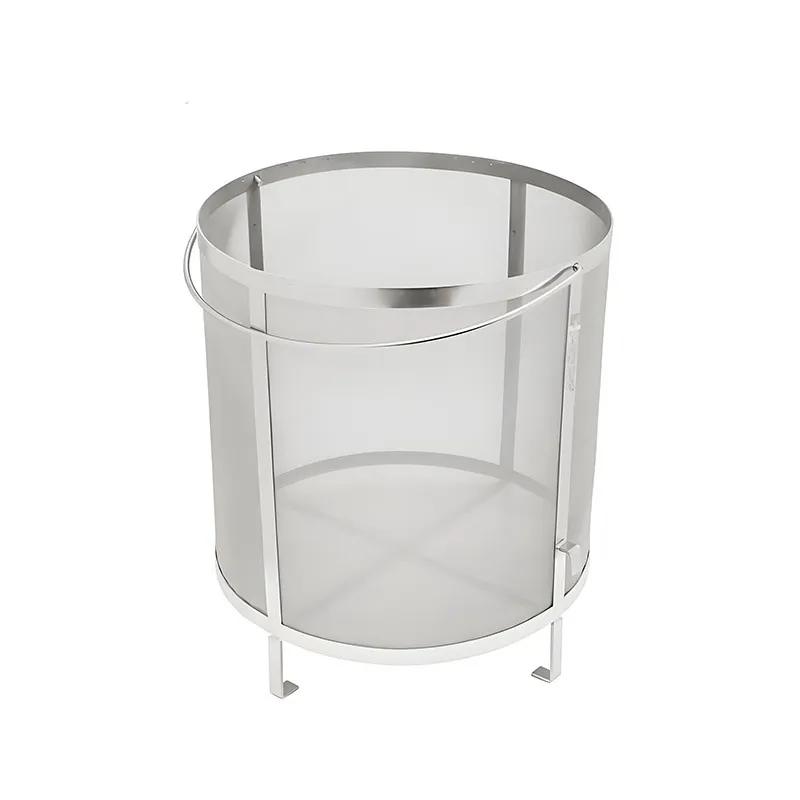
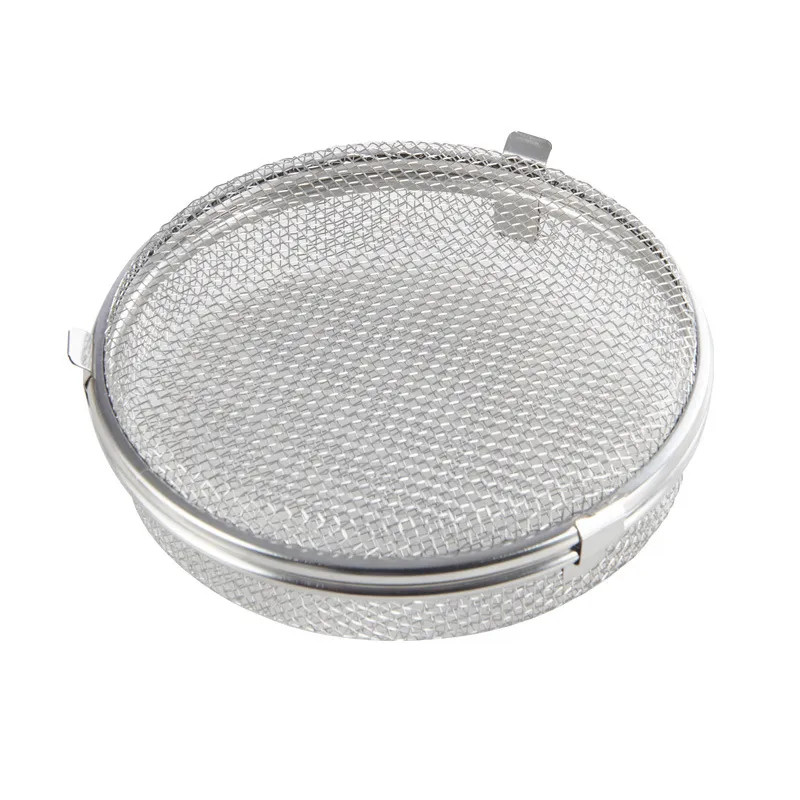
From a manufacturing perspective, the production of high-precision wire mesh involves complex drawing and weaving processes. The durability and anti-corrosion properties of the 316 grade ensure that the mesh maintains its aperture precision even under thermal stress or chemical exposure. For businesses focusing on deep processing, the ability to provide customized dimensions and weave patterns allows for the creation of highly specialized components, such as stainless steel mesh baskets, that meet rigorous industry standards.
- Corrosion Resistance: High resistance to pitting in chloride-rich environments.
- Thermal Stability: Maintains structural integrity across wide temperature ranges.
- Biocompatibility: Ideal for food processing and pharmaceutical filtration.
- Mechanical Strength: Superior tensile strength compared to lower-grade alloys.

Critical Factors Influencing Procurement Costs and Material Selection
When analyzing the market, several variables dictate the final cost of the mesh. The most significant factor is the wire diameter and the mesh count (aperture size). As the mesh becomes finer—such as in 5 micron or 400 micron stainless steel mesh—the complexity of the weaving process increases, requiring more advanced production equipment and tighter quality control, which naturally elevates the cost.
Furthermore, the type of weave—whether it is plain, twilled, or Dutch weave—affects both the material usage and the labor involved. A Dutch weave, often used in high-end filtration, requires more intricate processing to achieve its specific permeability and filtration efficiency. Buyers must also consider the finish of the product; electropolished surfaces, while more expensive, offer superior hygiene and corrosion resistance, which is critical for medical and laboratory applications.
Customization also plays a pivotal role. Standard roll sizes are generally more affordable, but high-precision customized services—including specific edge trimming, welding, or forming into baskets—add value through application-specific engineering. Balancing these technical requirements against the budget is the key to sustainable procurement.
Industrial Applications: Matching Mesh Specifications to Operational Needs
The versatility of 316 stainless steel mesh allows it to be deployed across a vast spectrum of industries. In the chemical processing sector, these meshes are used as primary filters to remove particulates from aggressive liquids, where the anti-corrosion properties prevent contamination of the filtrate. In the architectural realm, metal decorative mesh provides a durable, aesthetic solution for facades and interiors that must withstand outdoor weathering.
Another critical application is found in the new energy sector. Protective components for photovoltaic systems often utilize stainless steel mesh to prevent debris and pests from damaging sensitive electrical components while allowing for necessary airflow and ventilation. This integration of wire mesh into green energy solutions demonstrates the material's adaptability to modern sustainable infrastructure.
For food and beverage production, the use of 316 mesh baskets ensures that equipment can be sterilized frequently without risk of rust or degradation. The combination of high precision and reliability ensures that these products meet the stringent safety and hygiene standards required by global regulatory bodies.
Comparison of Mesh Specifications and Application Suitability
| Mesh Specification | Corrosion Resistance | Filtration Precision | Typical Application |
|---|---|---|---|
| Coarse Mesh (e.g., 4 Mesh) | High | Low | Security Screens / Guardrails |
| Medium Mesh (e.g., 40 Mesh) | High | Medium | Industrial Sifting / Filtering |
| Fine Mesh (e.g., 400 Micron) | High | High | Chemical Liquid Filtration |
| Ultra-Fine (e.g., 5 Micron) | High | Very High | Precision Laboratory Filters |
| Decorative Weave | Very High | N/A | Architectural Facades / Interiors |
Evaluating Suppliers for High-Precision Wire Mesh Processing
Selecting a supplier for 316 stainless steel products requires more than just comparing the ss 316 wire mesh price. A reliable partner must possess advanced production equipment and an experienced technical team capable of delivering high-precision customized services. The ability to handle deep processing—such as transforming a flat mesh into a complex filter element or a secure basket—is what separates a commodity trader from a true manufacturing partner.
Quality assurance is paramount. Buyers should verify the supplier's ability to maintain consistent wire diameters and aperture sizes across large batches. On-time delivery and comprehensive after-sales service are also critical, especially for OEM/ODM projects where the wire mesh is a component of a larger assembly. A supplier with a diversified portfolio, ranging from industrial filters to photovoltaic protective mesh, typically demonstrates a broader technical competency and a better understanding of cross-industry requirements.
Future Trends in Metal Filtration and Architectural Mesh Design
The industry is currently moving toward "smart" filtration and sustainable architecture. We are seeing an increased demand for hybrid mesh structures that combine 316 stainless steel with specialized coatings to further enhance chemical resistance or add hydrophobic properties. These innovations are particularly relevant in the pharmaceutical industry, where zero-contamination is the objective.
In the architectural sector, the trend is shifting toward complex 3D forms. Deep processing capabilities now allow for the creation of curved and organic metal decorative mesh surfaces, blending structural utility with artistic expression. As the world moves toward green energy, the role of stainless steel mesh in protecting and enhancing solar energy installations will continue to grow, requiring closer collaboration between mesh manufacturers and PV system designers.
Technical FAQ for Stainless Steel Wire Mesh Procurement
What is the main difference between SS 304 and SS 316 wire mesh?
The primary difference is the addition of molybdenum in Grade 316, which provides significantly better resistance to chlorides and corrosive chemicals, making it more suitable for marine and chemical environments than Grade 304.
How does the mesh count affect the filtration efficiency?
A higher mesh count means more wires per linear inch, resulting in smaller apertures. This increases the filtration precision, allowing the mesh to capture smaller particles, though it may also increase the pressure drop across the filter.
Can 316 wire mesh be customized for specific shapes?
Yes, through deep processing services, wire mesh can be cut, bent, welded, and formed into various shapes, including baskets, cylinders, and custom filter elements to fit specific industrial housings.
What factors cause fluctuations in the price of stainless steel mesh?
Prices are primarily influenced by the global cost of raw nickel and molybdenum, the complexity of the weave, the required precision (micron level), and the volume of the order.
Is 316 stainless steel mesh suitable for food-grade applications?
Absolutely. Due to its high corrosion resistance and ease of cleaning, it is widely used in food and beverage processing to prevent contamination and withstand rigorous sterilization processes.
What is "deep processing" in the context of wire mesh?
Deep processing refers to the additional manufacturing steps taken after the basic weaving of the mesh, such as precision cutting, forming, welding, and polishing to create a finished functional product.
Technical References and Industry Standards
- ASTM International - Material Standards for Stainless Steel
- ISO Standards for Industrial Filtration Systems
- Nickel Institute - Grade 316 Technical Properties
- Research on Pitting Corrosion in Austenitic Stainless Steels
Finding the right balance between technical specification and budget is critical for industrial success. Whether you require high-precision filters or durable architectural mesh, partnering with a manufacturer experienced in deep processing ensures your project meets both performance and longevity goals.
Related Industrial Solutions