High Precision Industrial Guide to buy stainless steel mesh
Selecting the appropriate filtration or protective screen is a critical decision that impacts the operational efficiency and longevity of industrial equipment. Stainless steel mesh serves as a cornerstone in deep processing applications, offering a unique combination of mechanical strength and chemical stability. Whether you are designing a high-precision metal filter or an architectural decorative element, the balance between aperture size, wire diameter, and material grade determines the final performance of the system.
For procurement managers and engineers, the challenge often lies in matching the technical specifications of the mesh to the specific demands of the environment, such as corrosive chemical exposure or high-pressure flow. By understanding the nuances of deep processing and customization, buyers can optimize their filtration rates and durability. This guide explores the technical value of high-precision stainless steel solutions and how tailored configurations address complex industrial challenges.

The Technical Foundation of High-Precision Wire Mesh Deep Processing
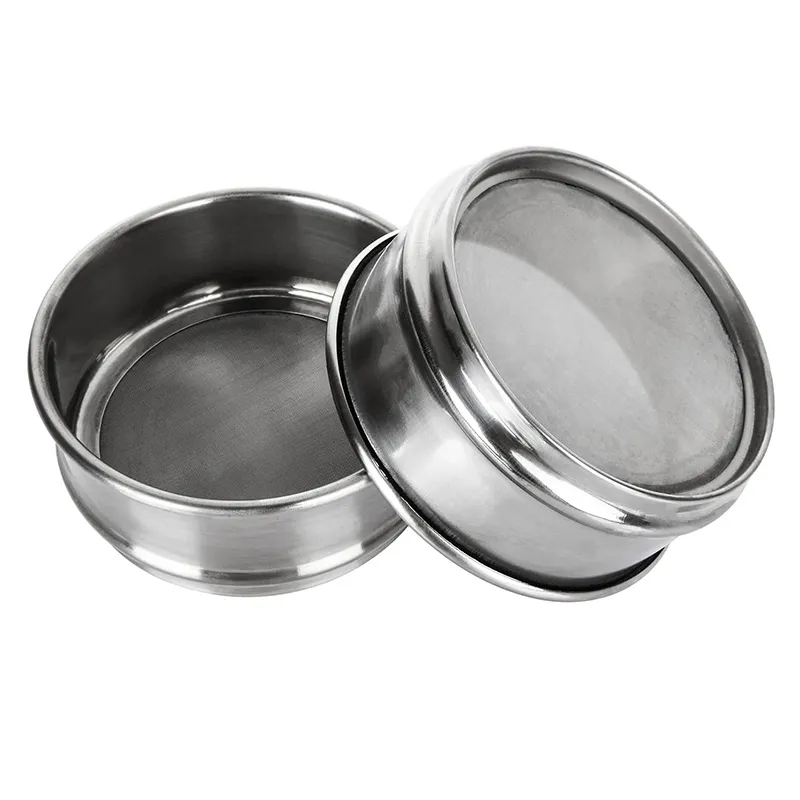
Deep processing of wire mesh transcends basic weaving; it involves a series of precise engineering steps including ultrasonic welding, precision cutting, and specialized surface treatments. The goal is to transform raw stainless steel screens into functional components like filter baskets or security screens that maintain strict dimensional tolerances. High-precision customized services allow for the creation of meshes that can filter particles down to the micron level, which is essential for pharmaceutical and chemical processing.
The material choice is paramount. Stainless steel is preferred due to its inherent resistance to oxidation and corrosion. In deep processing, the focus is on ensuring that the mesh maintains its structural integrity even after being formed into complex shapes. This ensures that there are no leaks or bypasses in filtration systems, and that decorative architectural meshes maintain a consistent aesthetic across large installations.
- Dimensional Accuracy: Ensuring aperture consistency across the entire surface.
- Structural Stability: Utilizing advanced production equipment to prevent wire deformation.
- Material Purity: Using high-grade alloys to ensure anti-corrosion performance in harsh environments.

Industrial Applications and Performance Requirements
The versatility of stainless steel mesh allows it to be deployed across diverse sectors, each with distinct performance requirements. In the filtration industry, metal filters must handle varying viscosities and pressures while preventing contaminant breakthrough. The precision of the weave directly affects the flow rate and the efficiency of the separation process, making customized aperture sizing a necessity for specialized industrial fluids.
Beyond filtration, architectural and security applications demand a different set of characteristics. Metal decorative mesh is evaluated not only on its visual appeal but also on its durability and ability to withstand weathering. Similarly, security screens must provide a high strength-to-weight ratio to ensure protection without obstructing ventilation or visibility. These applications highlight the necessity of professional deep processing to ensure that the edges are finished and the frames are securely integrated.
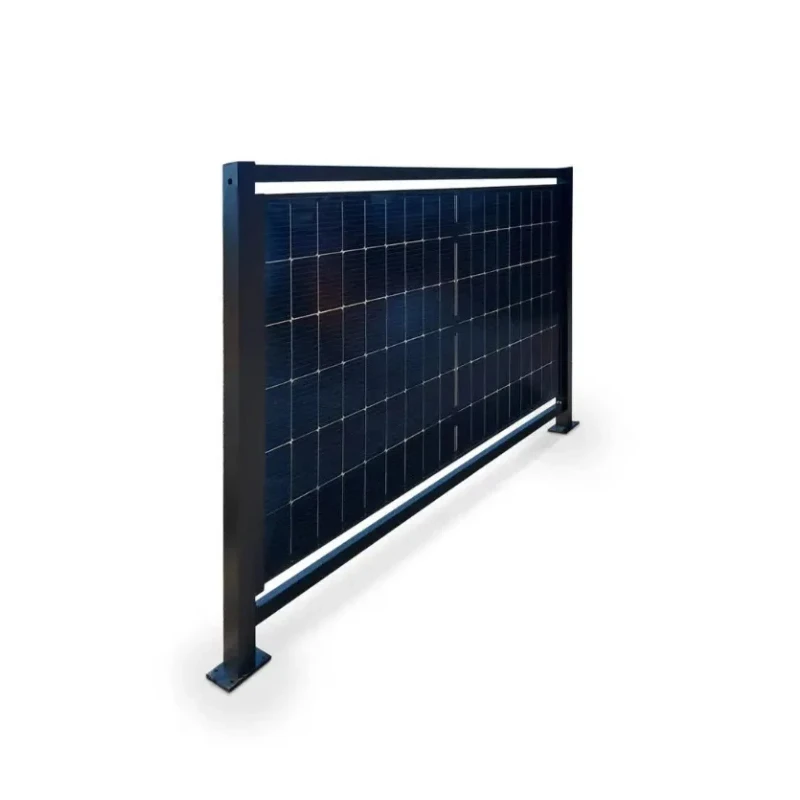
In the new energy sector, particularly with photovoltaic solutions, the integration of durable mesh provides essential protection and support for sensitive equipment. The synergy between green energy infrastructure and high-quality metal components ensures that sustainable installations remain operational for decades with minimal maintenance.
Critical Evaluation Criteria for Mesh Procurement
When deciding to buy stainless steel mesh for industrial use, procurement teams should look beyond the price per square meter. The real value lies in the consistency of the product and the capability of the manufacturer to provide a repeatable specification. A slight deviation in wire diameter can lead to a significant change in the open area percentage, which in turn alters the pressure drop across a filter.
Key considerations for a successful procurement process include:
- Corrosion Resistance: Matching the steel grade (e.g., 304 vs 316) to the specific chemicals present in the application.
- Mechanical Loading: Evaluating if the mesh can withstand the expected physical stress without sagging or tearing.
- Edge Treatment: Ensuring that the mesh is properly hemmed or welded to prevent fraying and safety hazards.
- Customization Flexibility: The ability of the supplier to provide high-precision shapes and sizes tailored to the machine's housing.
Partnering with a supplier that possesses an experienced technical team reduces the risk of ordering an incorrect specification. Technical consultation during the design phase can lead to the discovery of more efficient mesh types that may offer better longevity or lower maintenance costs.
Technical Selection Matrix for Industrial Mesh
| Application Type | Primary Material Requirement | Key Performance Metric | Recommended Finish |
|---|---|---|---|
| Fine Filtration | High-Grade Stainless Steel | Micron Precision | Electropolished |
| Architectural Decor | Anti-Corrosive Alloy | Visual Consistency | Powder Coated / Raw |
| Security Screening | High Tensile Strength Steel | Impact Resistance | Galvanized / Polished |
| PV Installations | Weather-Resistant Steel | Environmental Stability | Industrial Coating |
| Industrial Baskets | Heat-Resistant Stainless | Load Bearing Capacity | Welded Seams |
Quality Control in the Manufacturing Process
Reliable quality in wire mesh production is the result of rigorous quality control (QC) at every stage. From the initial sourcing of the wire to the final inspection of the finished product, each step must be validated. Advanced production equipment ensures that the tension during weaving is constant, which prevents the "waviness" often seen in low-quality mesh products. This consistency is vital for filters where any gap in the weave could lead to system failure.
A comprehensive QC process includes aperture verification using digital microscopy and stress testing to ensure the weld points in deep-processed baskets are secure. For export markets, adhering to international standards of durability and anti-corrosion is non-negotiable. Ensuring on-time delivery and reasonable pricing is only possible when the production process is streamlined and waste is minimized through precise technical planning.
Future Trends in Metal Mesh and Green Energy Integration
The industry is moving toward a more integrated approach where metal mesh is not just a component but a part of a larger sustainable system. The rise of household and industrial photovoltaic projects has created a demand for specialized fencing and support structures that are both durable and eco-friendly. This shift requires manufacturers to expand their R&D into new materials and installation methods that support green energy goals.
Furthermore, the trend toward "smarter" filtration is driving the development of meshes with specialized surface geometries to reduce fouling and increase the interval between cleaning cycles. As industries strive for higher efficiency and lower environmental impact, the role of high-precision customized metal components will only grow. Companies that can bridge the gap between traditional metalworking and modern energy solutions will lead the market.
Frequently Asked Questions Regarding Stainless Steel Mesh
What is the difference between standard wire mesh and deep-processed mesh?
Standard wire mesh is typically sold in rolls or sheets. Deep-processed mesh involves further engineering, such as cutting, bending, welding, and forming, to create specific components like filter baskets or decorative panels tailored to a client's blueprint.
How do I choose the right mesh grade for a corrosive environment?
For general moisture and mild chemicals, Grade 304 is often sufficient. However, for marine environments, high-salinity areas, or aggressive chemical processing, Grade 316 is recommended due to its added molybdenum, which enhances pitting resistance.
Can you provide customized aperture sizes for specific filtration needs?
Yes, high-precision customized services allow for the selection of specific wire diameters and mesh counts to achieve exact micron ratings, ensuring the filter matches the required particle retention level.
What factors affect the lifespan of a stainless steel security screen?
The lifespan depends on the material grade, the quality of the edge finishing, and the environmental exposure. Proper installation and the use of anti-corrosive coatings can significantly extend the life of the screen in outdoor settings.
Is it possible to order OEM products for industrial filters?
Most professional manufacturers offer OEM/ODM services, allowing you to specify the exact dimensions, material, and structural design required for your equipment, ensuring seamless integration.
How is the quality of the mesh verified before shipping?
Quality is typically verified through aperture measurement, weld strength tests, and material certification checks to ensure the product meets the ordered specifications and industry standards.
Technical References and Industry Resources
- ASTM International - Materials Standards
- ISO - International Organization for Standardization
- Nickel Institute - Stainless Steel Properties
- ScienceDirect - Filtration Engineering Research
Finding the right stainless steel mesh requires a balance of technical knowledge and manufacturing precision. Whether for industrial filtration or architectural safety, choosing a partner with deep processing expertise ensures your project meets the highest standards of durability and performance.
Related Industry Insights